
Description
Product Overview
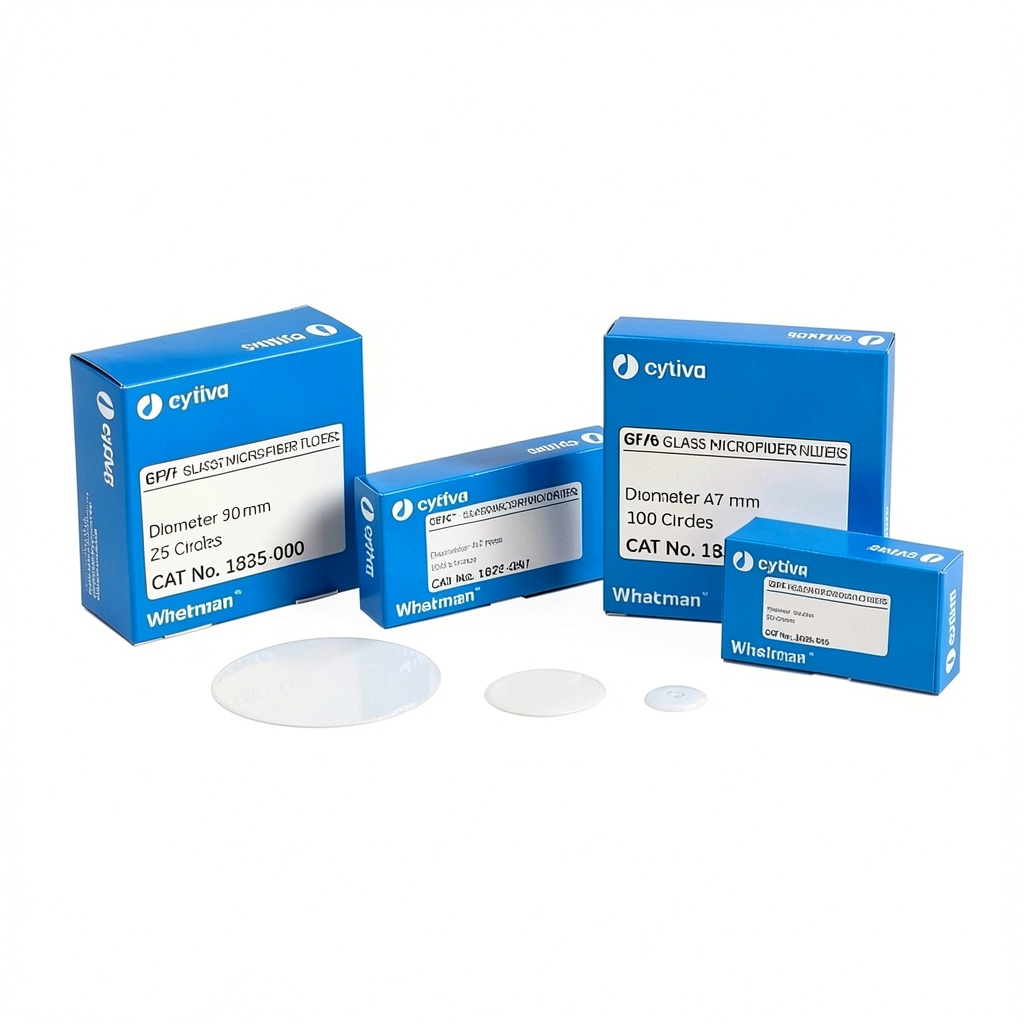
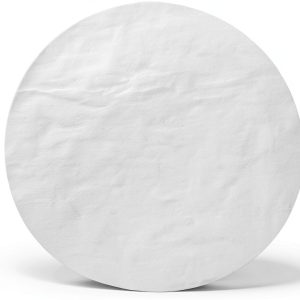
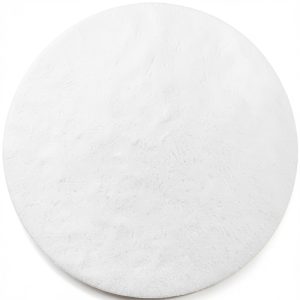
The Whatman 1820-021 glass microfiber binder‑free filter is engineered for high‑performance laboratory filtration where precision, consistency, and reliability are paramount. Constructed from premium glass microfiber material, the filter offers a nominal pore size of 1.6 µm, providing fine particle retention while maintaining a rapid flow rate of 4.3 seconds per 100 mL of liquid. Certified to GF/A grade, the filter meets stringent standards for chemical resistance, low extractables, and dimensional stability, ensuring reproducible results across a wide range of analytical methods.
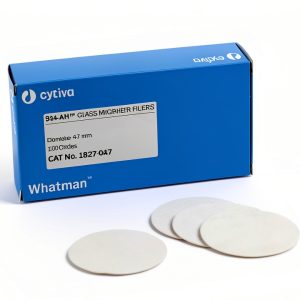
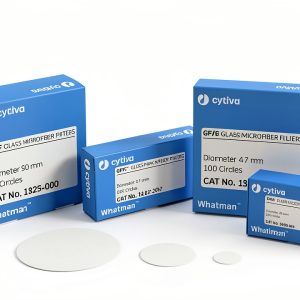
Measuring 2.1 cm in diameter, each filter fits standard laboratory filter holders and is supplied in a convenient pack of 100, allowing laboratories to maintain a ready stock for routine and high‑throughput workflows. The binder‑free construction eliminates potential sources of contamination, making the filter ideal for sensitive applications such as protein analysis, radioimmunoassay of weak β emitters, and microbiological culture filtration. The robust design also supports high loading capacities, reducing the frequency of filter changes and extending the operational life of each unit.
Usage
This filter excels in a variety of environmental, biological, and chemical testing scenarios. In water quality laboratories, it is frequently employed for monitoring effluent streams, detecting trace contaminants, and performing routine water filtration prior to downstream analytical techniques. Its fine retention capability makes it suitable for filtering algae and bacteria cultures, ensuring that only the desired microorganisms pass through while retaining larger particulates.
Food safety analysts rely on the filter for the removal of suspended solids from food extracts, enabling accurate quantification of nutrients, contaminants, and allergens. In protein purification workflows, the filter’s low protein binding characteristics preserve sample integrity, while its high flow rate minimizes processing time. Additionally, the filter is recommended for gravimetric determination of airborne particulates, stack sampling, and absorption methods used in air pollution monitoring, where its durability and consistent performance under varying pressure differentials are critical.
Why Choose Us
Choosing the Whatman 1820‑021 filter means selecting a product backed by decades of scientific expertise and a reputation for quality that is recognized worldwide. Each filter undergoes rigorous quality control testing, including pore size verification, flow rate consistency, and chemical compatibility assessments, guaranteeing that you receive a reliable component that performs exactly as specified.
Our commitment to customer satisfaction extends beyond the product itself. We provide comprehensive technical support, detailed usage guidelines, and rapid response to inquiries, ensuring that you can integrate the filter into your protocols with confidence. The packaging is designed for easy handling and inventory management, with clear labeling and a compact footprint that fits seamlessly into standard laboratory storage solutions.
Environmental responsibility is also a core value. The binder‑free glass microfiber material is produced using sustainable manufacturing practices, and the filters are fully recyclable where local regulations permit, helping laboratories reduce their ecological footprint while maintaining high analytical standards.
Key Features
- Precise 1.6 µm retention delivers reliable filtration of fine particles.
- High flow rate of 4.3 s per 100 mL speeds up sample processing.
- Binder‑free glass microfiber construction minimizes contamination risk.
- GF/A grade ensures chemical resistance and dimensional stability for diverse assays.
- Dedicated customer support and technical assistance for seamless integration.
FAQ
What types of samples can I filter with the 1820‑021 filter?
The filter is suitable for water samples, environmental effluents, algae and bacterial cultures, food extracts, protein solutions, and air particulate collection media. Its chemical resistance also allows use with a wide range of solvents and buffers.
Can the filter be reused after cleaning?
While the filter is designed for single‑use applications to ensure maximum performance and avoid cross‑contamination, it can be cleaned with appropriate solvents for non‑critical, low‑risk procedures. Reuse is not recommended for quantitative analyses.
What filter holder size is compatible with this product?
The 2.1 cm diameter filter fits standard laboratory filter holders that accept 0.5‑inch (12.7 mm) filters. Verify your holder specifications to ensure a snug fit and optimal sealing.
Is the filter compatible with high‑temperature applications?
Yes, the glass microfiber material tolerates temperatures up to 200 °C (392 °F) for short periods, making it suitable for hot filtration steps in certain protocols.
How should the filters be stored to maintain performance?
Store the filters in a cool, dry environment away from direct sunlight and strong chemicals. Keep the original packaging sealed until use to protect against moisture and particulate contamination.

Reviews
There are no reviews yet.