
Description
Product Overview
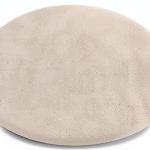
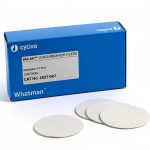
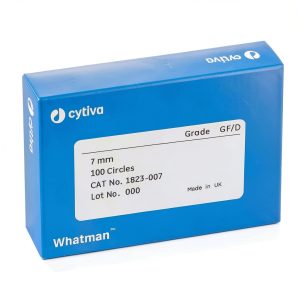
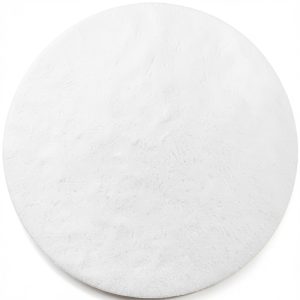
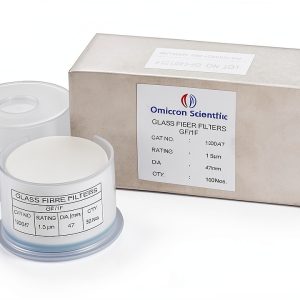
The Whatman 1825-025 glass microfiber filter is engineered for high‑performance laboratory filtration, combining a 0.7 µm retention capability with a 2.5 cm diameter format that fits standard filter holders. Constructed from binder‑free GF/F grade glass fibers, the filter provides an exceptionally clean surface that minimizes sample loss and background interference, making it a trusted choice for nucleic acid work and protein handling. Its rapid flow rate—19 seconds per 100 mL—allows researchers to process larger volumes without compromising resolution, while the high loading capacity ensures that the filter can handle dense precipitates and viscous solutions. The product is supplied in a convenient pack of 100, each filter individually wrapped to preserve sterility and prevent contamination. Detailed specifications include a 0.7 µm pore size, a 25 mm (2.5 cm) diameter, and a flow rate of 19 s/100 mL, all verified by Whatman’s rigorous quality control processes. The filter’s glass microfiber matrix is chemically inert, providing resistance to a wide range of solvents and buffers commonly used in molecular biology, biochemistry, and analytical chemistry. This durability translates into consistent performance across multiple runs, reducing the need for frequent filter changes and lowering overall consumable costs. Whether you are purifying plasmid DNA, isolating RNA, or clarifying protein solutions, the Whatman 1825‑025 delivers reproducible results that meet the stringent demands of modern research laboratories.
![[Product front view showing all components]](https://www.gourmetsnack.store/wp-content/uploads/2026/07/fef43fbf01af484984d311bb0572b852.jpg)
Usage
Designed for versatility, the Whatman 1825‑025 filter excels in a variety of laboratory workflows. In nucleic acid purification protocols, the binder‑free surface promotes efficient binding of DNA and RNA to silica‑based columns, enabling high‑yield recovery with minimal carry‑over of contaminants. The filter’s fine pore size is also ideal for removing fine precipitated proteins during clarification steps, ensuring that downstream assays such as Western blotting or enzyme activity measurements receive clear, particle‑free samples. Researchers frequently employ the filter in phenol‑chloroform extractions, where rapid flow reduces processing time while the glass microfiber matrix resists chemical attack from organic solvents. Its compatibility with a broad pH range (typically 3–10) allows seamless integration into buffer systems used for affinity chromatography, dialysis, and buffer exchange. The compact 2.5 cm diameter fits standard filter housings, making it easy to incorporate into existing equipment without the need for additional adapters. For high‑throughput environments, the pack of 100 filters supports batch processing, enabling simultaneous preparation of multiple samples and improving laboratory efficiency. The filter’s robust construction also makes it suitable for field‑based applications, such as environmental sample collection, where reliable performance under variable conditions is essential.
Why Choose Us
Choosing the Whatman 1825‑025 filter means selecting a product backed by decades of expertise in filtration technology. Whatman, a brand synonymous with quality, subjects each filter to stringent performance testing, guaranteeing that every unit meets the advertised specifications for pore size, flow rate, and loading capacity. The binder‑free GF/F grade glass fibers provide a chemically inert surface that does not interact with sensitive biomolecules, preserving sample integrity and reducing the risk of assay interference. Our manufacturing process incorporates clean‑room conditions to prevent particulate contamination, ensuring that each filter arrives sterile and ready for immediate use. In addition to the superior material properties, we offer comprehensive technical support, including detailed protocol recommendations, troubleshooting guides, and direct access to filtration specialists who can assist with method development. Our commitment to sustainability is reflected in the recyclable packaging and the long shelf life of the filters, which remain stable when stored under recommended conditions. By providing a pack of 100 filters, we deliver cost‑effective scalability for laboratories of any size, from academic research groups to large‑scale industrial facilities. When you purchase from us, you benefit from a reliable supply chain, fast shipping, and a responsive customer service team dedicated to your success.
Key Features
- 0.7 µm retention ensures removal of fine particulates while preserving target molecules.
- Rapid 19 s/100 mL flow rate speeds up sample processing and reduces turnaround time.
- Binder‑free GF/F glass microfiber provides a clean, inert surface for sensitive assays.
- High loading capacity handles dense precipitates and viscous solutions without clogging.
- Dedicated technical support and comprehensive documentation for seamless integration.
FAQ
What types of samples can I filter with the 1825‑025?
The filter is suitable for a wide range of biological and chemical samples, including nucleic acid extracts, protein solutions, cell lysates, and organic solvent mixtures such as phenol‑chloroform. Its inert glass microfiber matrix resists interaction with most buffers and reagents, making it versatile for many laboratory protocols.
Can the filter be reused after cleaning?
While the filter is designed for single‑use applications to ensure optimal performance and sterility, it can be regenerated in certain protocols that require repeated use. Thorough cleaning with appropriate solvents followed by a bake‑out at 200 °C for at least 2 hours can restore the filter’s flow characteristics, but reuse is not recommended for critical nucleic acid work where contamination risk must be minimized.
Is the filter compatible with high‑salt buffers?
Yes, the binder‑free GF/F grade glass fibers tolerate high ionic strength solutions. The filter maintains its structural integrity and flow rate even in buffers containing up to 1 M NaCl, allowing its use in salt‑dependent purification steps such as ion‑exchange chromatography.
How should I store the filters to maintain their performance?
Store the filters in a dry, cool environment away from direct sunlight. The recommended storage temperature is between 2 °C and 25 °C. Keep the original packaging sealed until use to protect the filters from moisture and airborne contaminants.
What is the difference between GF/F and other glass fiber grades?
GF/F is a binder‑free grade that provides a very low background and high chemical resistance, making it ideal for applications where sample purity is critical. Other grades may contain binders that can leach into samples, potentially affecting downstream analyses. GF/F’s fine pore structure also offers superior retention of sub‑micron particles compared to standard glass fiber filters.
Reviews
There are no reviews yet.