
Description
Product Overview
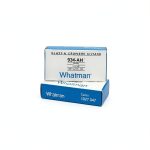
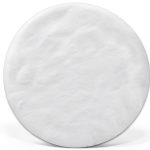
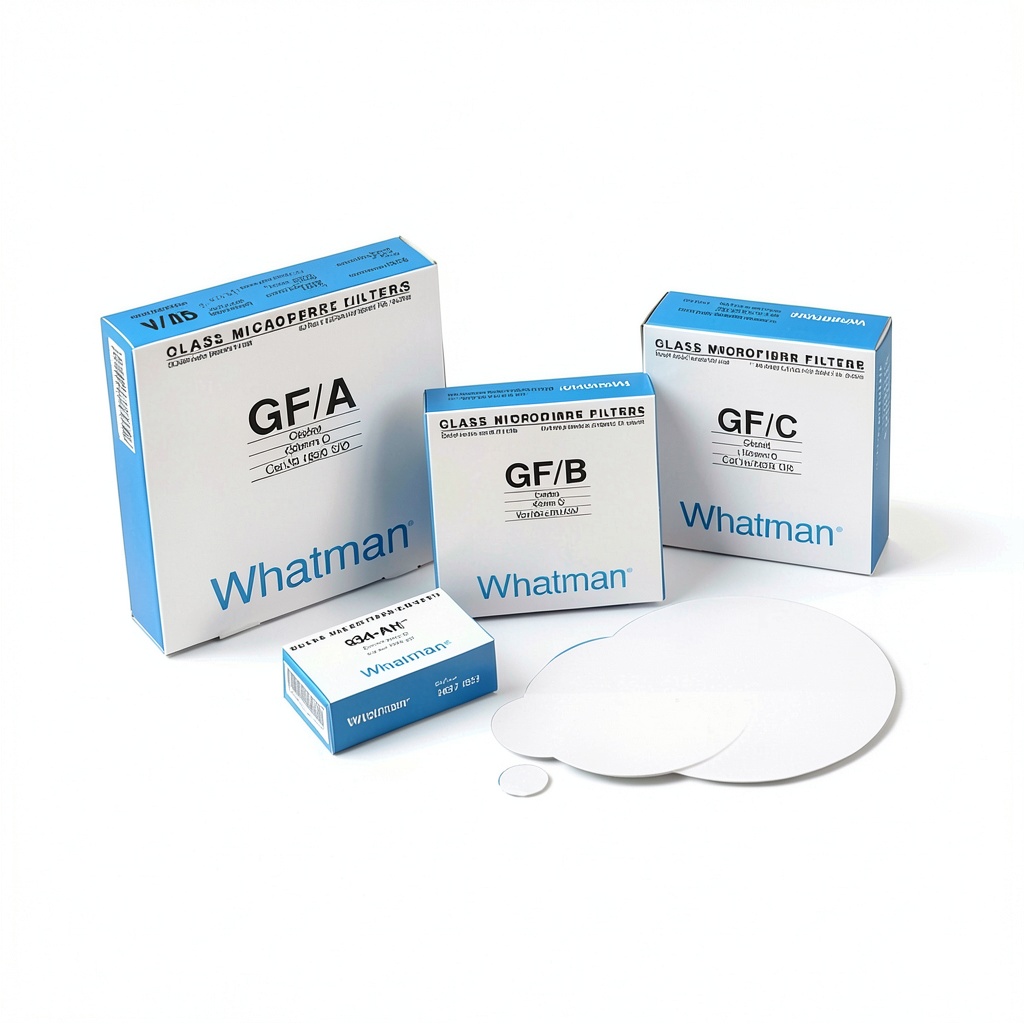
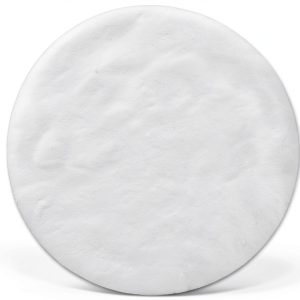
The Whatman 1827-047 glass microfiber filter is engineered for laboratories that demand precise particle retention and dependable performance. Constructed from high‑grade borosilicate glass microfiber, the filter provides a binder‑free matrix that minimizes fiber shedding while maintaining structural integrity under demanding flow conditions. With a nominal pore size of 1.5 micron, it captures fine suspended particles, making it an excellent choice for total suspended solids (TSS) analysis and other critical analytical procedures. The 47 mm circular disc conforms to standard filter holders, allowing seamless integration into existing filtration setups without the need for adapters or modifications.
Key specifications include a flow rate of 3.7 seconds per 100 mL, a low pressure drop, and a high loading capacity that enables the processing of larger sample volumes before replacement is required. The filter’s binder‑free design reduces the risk of contaminant leaching, ensuring that analytical results are not compromised by extraneous material. Its robust borosilicate composition also offers resistance to chemical attack, making it suitable for a wide range of solvents and reagents commonly used in environmental, pharmaceutical, and industrial laboratories.
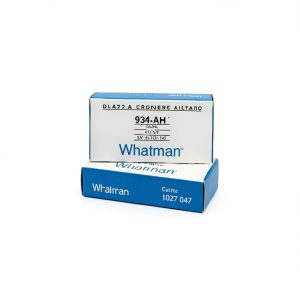
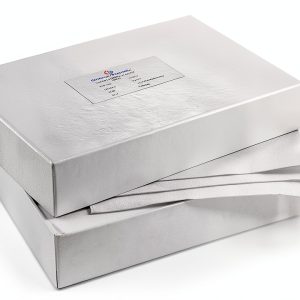
Manufactured by Whatman, a trusted name in filtration technology, the 1827-047 model carries the Grade 934‑AH designation, signifying its suitability for rigorous TSS protocols. The product is packaged in a convenient pack of 100 units, providing laboratories with a reliable inventory that supports routine testing schedules and high‑throughput workflows. Each filter is lightweight, weighing approximately 3.2 ounces, and its compact dimensions (4.5 × 2.4 × 1.1 inches) facilitate easy storage and handling.
Usage
The 1827-047 filter excels in a variety of laboratory environments, from environmental monitoring stations measuring water quality to pharmaceutical quality control labs assessing product purity. Its 1.5 micron retention capability is particularly valuable when analyzing samples that contain fine particulate matter, such as river water, wastewater effluents, or cell culture media. Users can employ the filter in both batch filtration and continuous flow systems, benefiting from its consistent performance across different operational modes.
When preparing samples for gravimetric TSS determination, the filter’s low fiber shedding ensures that the measured mass reflects only the target suspended solids, not residual filter material. This accuracy is essential for compliance with regulatory standards and for generating reproducible data in research studies. The binder‑free construction also makes the filter compatible with a broad spectrum of analytical techniques, including downstream spectroscopic and chromatographic analyses, because it does not introduce interfering substances.
In addition to environmental applications, the filter is well‑suited for industrial process monitoring, where rapid detection of particulate contamination can prevent equipment fouling and product defects. Its high loading capacity allows operators to filter larger volumes before changing the disc, reducing downtime and operational costs. The filter’s durability under acidic or alkaline conditions further expands its utility across diverse testing scenarios.
Why Choose Us
Choosing the Whatman 1827-047 filter means selecting a product backed by decades of filtration expertise and a commitment to quality assurance. Each filter undergoes rigorous testing to verify pore size consistency, flow rate performance, and mechanical strength, ensuring that laboratories receive a reliable tool that meets exacting standards. Whatman’s reputation for manufacturing excellence provides confidence that the filter will perform consistently batch after batch, eliminating variability that can compromise analytical results.
Our customer support team is dedicated to assisting users with product selection, troubleshooting, and technical guidance. Whether you need advice on optimal filtration protocols or assistance with integrating the filter into a custom apparatus, our experts are available to help. We also offer comprehensive documentation, including detailed specifications, handling instructions, and safety data sheets, enabling laboratories to maintain compliance with internal and external quality requirements.
Beyond performance, the 1827-047 filter reflects a sustainable approach to laboratory consumables. The binder‑free borosilicate material is recyclable where local regulations permit, and the long shelf life of the product reduces waste associated with expired or damaged filters. By selecting this filter, laboratories not only achieve superior analytical outcomes but also contribute to responsible resource management.
Key Features
- Precise 1.5 micron particle retention for accurate TSS analysis
- Binder‑free borosilicate construction minimizes fiber shedding
- High loading capacity reduces filter changes and operational downtime
- Chemical resistance allows use with a wide range of solvents and reagents
- Dedicated technical support and comprehensive documentation for seamless integration
FAQ
What does “binder‑free” mean and why is it important?
Binder‑free indicates that the filter media is made solely of glass microfiber without any polymer binders. This reduces the risk of fibers detaching during filtration, which can contaminate samples and affect analytical accuracy.
Can the filter be used with acidic or alkaline solutions?
Yes. The borosilicate glass microfiber is chemically resistant to both acidic and alkaline environments, making the filter suitable for a broad range of laboratory reagents.
What is the recommended flow rate for optimal performance?
The filter is rated at a flow rate of 3.7 seconds per 100 mL. Maintaining this flow rate helps ensure consistent pressure drop and particle capture efficiency.
Is the filter compatible with standard 47 mm filter holders?
Absolutely. The 47 mm diameter disc is designed to fit common laboratory filter holders, allowing easy installation without the need for additional adapters.
How should the filters be stored to preserve their performance?
Store the filters in a cool, dry place, protected from direct sunlight and moisture. Keeping them in their original packaging until use helps maintain their integrity and prolongs shelf life.

 Children's Law and Crime Book for Kids, Ages 3-10, by The Black
Reviews
There are no reviews yet.